
Do Elk Have Good Memory
When we hear hunters swap stories around camp, one question often comes up: Do elk really remember? Do they remember where hunters set up last year, or which routes kept them safe in the past? Science and experience both say the answer is yes. Elk have surprisingly strong memories, and they play a big role in how they survive.
Elk and Their Sense of Place
Elk belong to the deer family, and like deer, they show remarkable fidelity to their ranges. Every year, herds migrate between summer and winter grounds. What’s impressive is how consistently they return to the same locations and even follow nearly identical paths. Researchers studying Yellowstone elk have noted that these migrations are passed down, with young animals learning the routes by following older members. This ability to “map” landscapes shows long-term memory at work.
In Oregon, for example, a program dating back to the 1970s revealed just how dependable elk can be. Each winter, herds show up almost on schedule at their wintering sites. Local observers say the animals arrive “right on time,” proof that memory is guiding both their sense of location and timing.
Do Elk Remember Hunters?
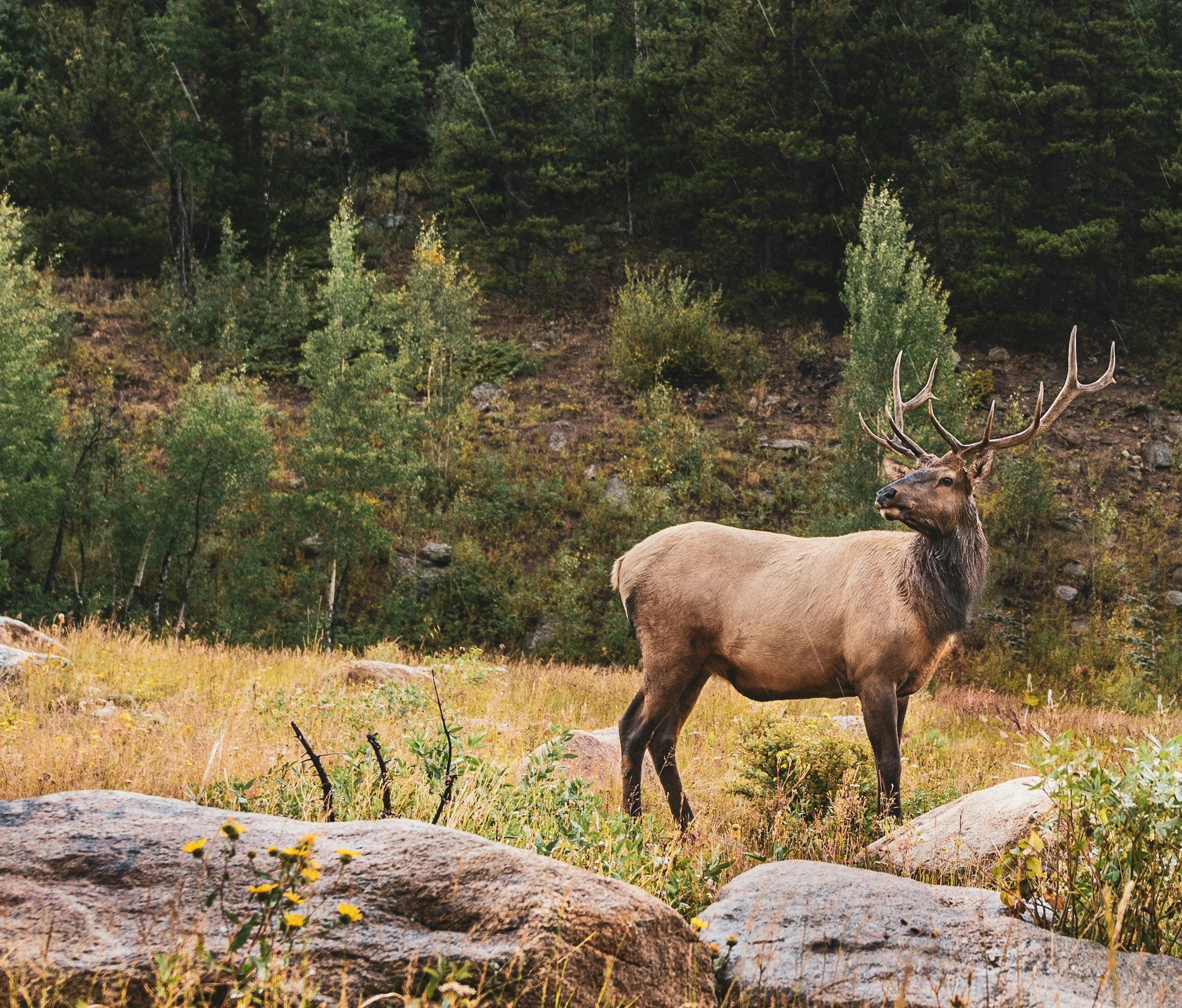
While migration shows memory on a natural level, the question most hunters ask is whether elk remember us. Many believe they do. Anecdotal evidence suggests that after being spooked, elk avoid certain ridges, meadows, or waterholes for long periods. Others argue that this is more about sensory triggers—smelling human scent, hearing calls, or noticing unusual activity—than true memory.
But evidence points to learned behavior. On public lands with heavy pressure, elk often shift patterns, move into denser cover, or retreat to private land sanctuaries. Studies have shown that elk adjust their movement in response to disturbance, suggesting that they don’t just react in the moment but adapt over time. That looks a lot like memory at work.
Seasonal and Generational Learning
Elk memory isn’t only about survival in the moment—it stretches across seasons and generations. Older cows often lead groups back to calving grounds or winter ranges, and calves learn these routes by following along. In a sense, elk culture is built on memory. It’s not just one animal recalling a place; entire herds carry knowledge from year to year.
Even timing is remembered. Researchers have noticed that elk tend to migrate or shift ranges on a consistent schedule, only adjusting slightly based on snow depth, forage availability, or temperature. This combination of instinct and memory gives them resilience in changing environments.
How Hunters Can Use This Knowledge
For hunters, elk memory has practical implications:
Rotate Your Spots: If you pressure the same meadow or draw too often, elk may start avoiding it. Switching locations can improve your odds.
Vary Calling Patterns: Elk can become wary of repetitive bugles or cow calls. Changing your sequence or style helps keep them curious.
Hunt Edges and Safe Zones: Elk learn where danger comes from. Often they retreat to areas with less pressure—steep canyons, thick timber, or private boundaries. Knowing this can guide your scouting.
Be Patient: Just because elk leave an area doesn’t mean they won’t return. Their memory works both ways; with time and less disturbance, they may come back to familiar feeding grounds.
Myth vs. Reality
Myth: Elk forget after hunting season ends.
Reality: Elk remember patterns of disturbance, and older animals in particular carry that experience into future seasons.
Myth: Elk only rely on instinct.
Reality: Instinct plays a role, but repeated behavior, migration fidelity, and learned avoidance show clear evidence of memory.
Myth: Pressure only affects the current year.
Reality: In many cases, elk shift ranges permanently, teaching younger members to avoid certain areas.
The Bottom Line
So, do elk have good memory? The evidence says yes. They remember migration routes, seasonal ranges, and places of safety. They also learn from pressure, often changing patterns after encounters with hunters. Whether it’s instinct reinforced by memory or learned behavior passed down through generations, the result is the same: elk survival depends on remembering.
For hunters, understanding that memory is a powerful tool. Respect it, adapt your strategies, and you’ll have a better chance of outsmarting one of North America’s most intelligent big game animals.
