
what is the preferred rifle shot for larger game animals
The single best rifle shot for big game animals is the broadside shot aimed at the vital zone the heart and lungs. When the animal is standing broadside, a bullet placed just behind the front shoulder travels through both lungs (and often the heart), creating a quick, ethical harvest.
This shot is preferred because it offers the largest target area, the least obstruction from heavy bone, and the most reliable chance of dropping the animal quickly. From there, hunters can adjust if only quartering-away or other angles are available, but broadside remains the gold standard.
Why Shot Placement Matters
Good shot placement ensures the animal goes down quickly, with minimal suffering. Poor placement often leads to wounded game that may escape, creating unnecessary loss. Hunters owe it to the animal and themselves to wait for the right opportunity and make the best shot possible.
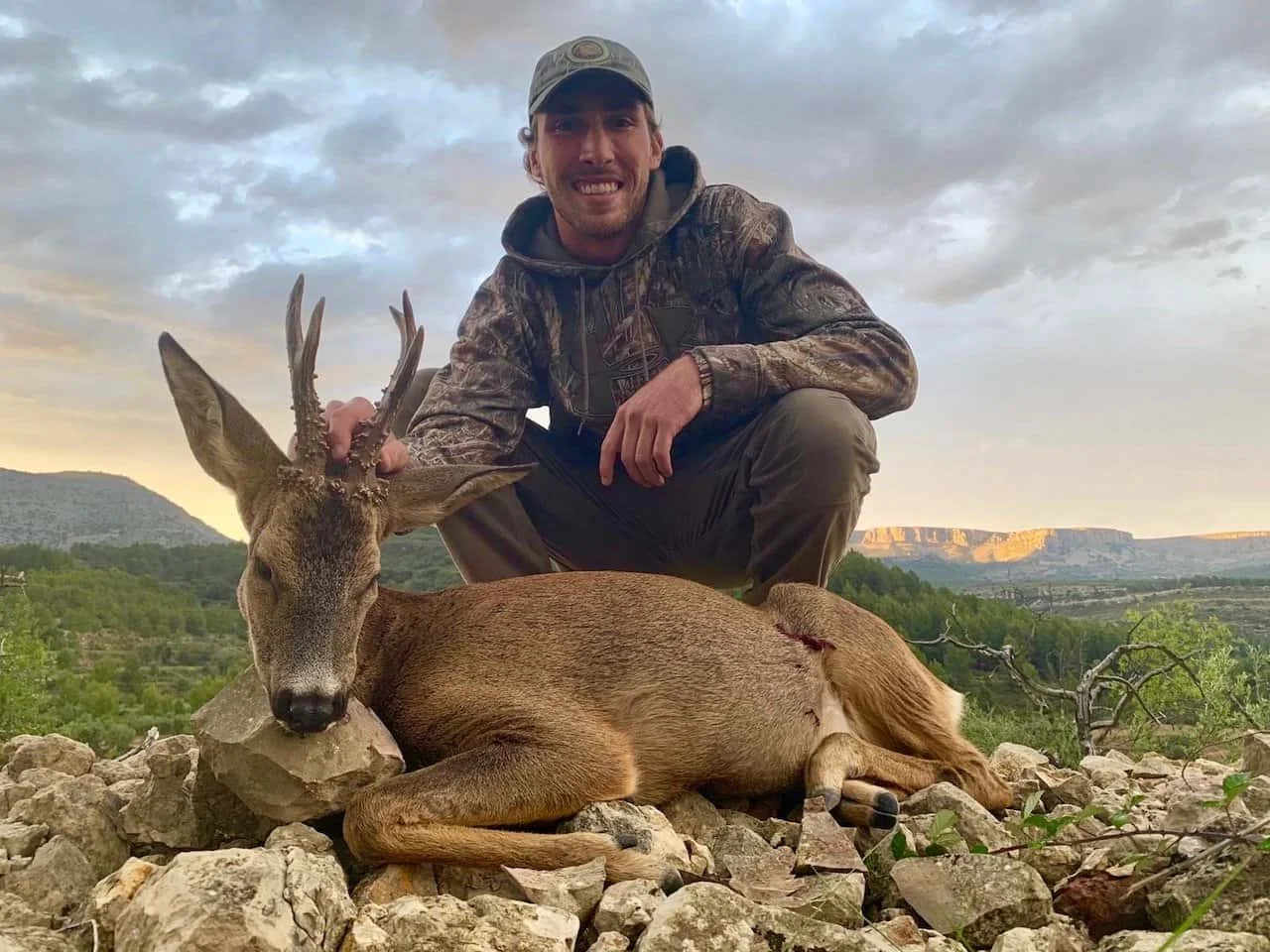
Anatomy Basics
Lungs (double-lung shot): This is the largest and most reliable target. A bullet passing through both lungs causes rapid collapse.
Heart: Smaller but highly effective. The heart sits low in the chest, just behind and above the front leg. Aiming too far forward risks hitting bone, so many hunters aim for the lungs for a larger margin of error.
Best Shot Angles
Broadside: Considered the gold standard. The bullet passes through both lungs, sometimes clipping the heart, with minimal obstruction.
Quartering-Away: A very good choice when the angle is slight. A well-placed shot enters behind the shoulder and exits through vital organs on the far side.
Quartering-To: Less forgiving. The angle risks heavy bone interference and is best left to experienced hunters.
Head/Neck Shots: While lethal if perfect, these carry a high risk of wounding and are generally discouraged for ethical hunting.
Species-Specific Notes
Deer:
Common calibers like .243, .270, .308, or .30-06 are more than enough when paired with good bullets. Aiming just behind the shoulder into the lungs is most effective.
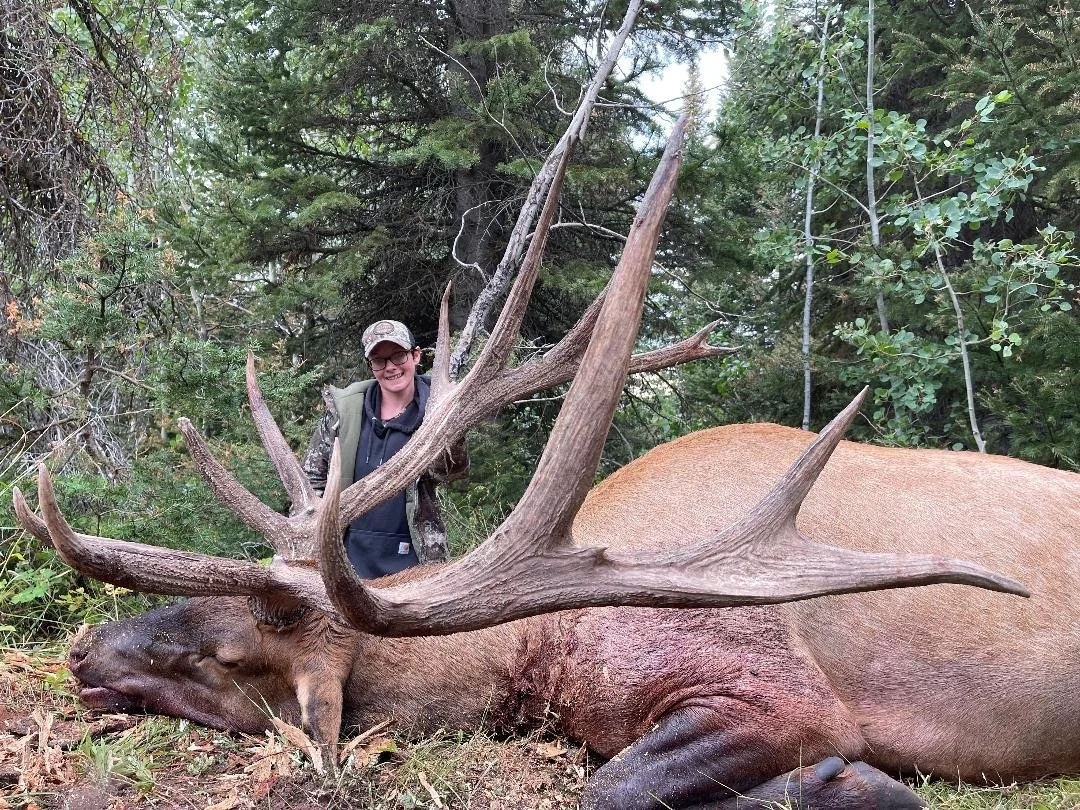
Elk:
Larger animals require more punch. Cartridges such as the .270, .30-06, 7mm Rem Mag, or .300 Win Mag are excellent. Again, the lungs are the preferred target.
Moose:
Heavier bones and muscles require heavier bullets, such as those in the .30-06, .300 Win Mag, or .338 caliber. Shot placement in the chest cavity is crucial.
Bear:
Aiming for the lungs, centered in the chest, is recommended. Strong .30-caliber cartridges are most often used.
Bullet Selection
Use bullets built for penetration and controlled expansion. Bonded-core, partition, or solid copper designs are excellent choices. Lightweight or varmint bullets are not suitable for larger animals.
Ethical Recovery
After the shot, patience is key. Unless the animal drops immediately, wait 15–30 minutes before tracking. Look for signs in the blood trail — bright red and frothy means lungs, while darker may indicate liver or other organs. Move slowly and deliberately to recover the animal.

Common Mistakes to Avoid
Shooting beyond your proven range.
Taking steep quartering-to shots without the skill to execute them
Choosing the wrong bullet type.
Rushing the shot instead of waiting for a broadside or quartering-away angle.
Quick Checklist
Wait for a broadside or quartering-away shot.
Aim just behind the shoulder, into the chest cavity.
Match cartridge and bullet to the size of game.
Follow ethical recovery practices after the shot.
