Are Elk Dangerous? What You Should Know Before Your Next Hunt
If you’re planning a trip into elk country, it’s natural to wonder: Are elk dangerous? These animals are large, fast, and unpredictable at times, so it's a fair question. The idea of walking into a forest full of 700-pound animals with antlers taller than you can reach might make anyone pause. Whether you're a hunter, hiker, or just someone who loves the outdoors, understanding elk behavior can keep you safer, and help you respect them even more.
We’re going to break it all down. When elk become dangerous, why they sometimes act aggressive, and how you can avoid being on the wrong side of those antlers.
What Kind of Animal is an Elk?
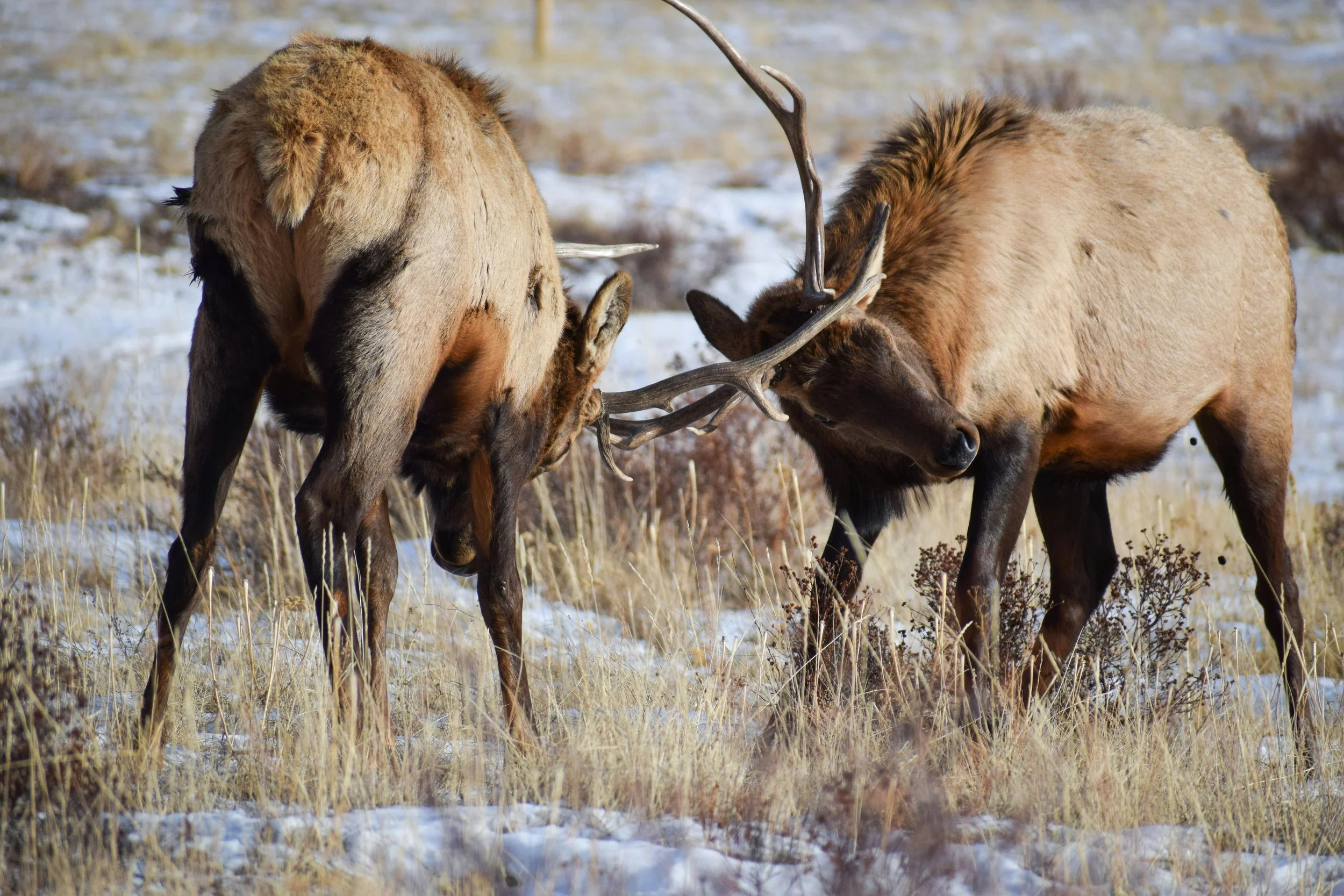
First off, elk are part of the deer family. But they're not just big deer, they’re a whole different level. Bulls (male elk) can weigh between 600 and 1,000 pounds, while cows (females) are smaller, usually around 450 to 600 pounds. Their antlers can stretch 4 feet or more, and those aren’t just for show.
Elk are known for their bugling sounds during the rut, their herding behavior, and their ability to cover rough terrain quickly. They're herbivores, so they don't see you as food, but that doesn’t mean they’re harmless.
So... Are Elk Dangerous?
The short answer is yes, elk can be dangerous. But they’re not typically aggressive without reason. Most of the time, they’ll keep their distance from people. Still, there are certain situations where that can change in an instant. Understanding when elk are more likely to be dangerous can help you avoid a nasty surprise.
When Are Elk More Aggressive?
Just like any wild animal, elk have times of the year when they’re more territorial or defensive. If you’ve ever asked, "Are elk aggressive?" the answer is, it depends. On the time of year, mostly.
1. During the Rut (Mating Season)
The rut is when bulls go head-to-head for the right to breed. This usually happens in the fall, between late September and early October. During this time, bull elk are easily the most dangerous. They’re pumped full of testosterone, bugling like crazy, and sometimes charging anything that looks like a threat.
That includes people.
They’ve even been known to charge cars, hikers, and hunters, especially if you're too close to a herd.
One second, you're glassing a hillside. Next thing you know, a bull you didn’t notice is heading straight for you. It’s rare, but it happens more than folks think.
2. Cow Elk with Calves (Springtime)
On the flip side, female elk can be aggressive in the spring, when they’re protecting newborn calves. They may not have antlers, but they’ve got hooves, speed, and a powerful kick. Cows are incredibly protective and can charge without much warning if they think you’re too close to their young.
This usually happens in late May through June.
People walking dogs in national parks have been charged because a cow saw the dog as a predator. So imagine what she’d do if you’re walking through the brush and get too close.
Are Elk Aggressive Toward Humans?
It’s not like elk wake up in the morning hoping to ruin your day. But they will get aggressive if they feel threatened, or if they think you’re too close to something they care about (a cow protecting calves, or a bull guarding a harem).
In fact, park rangers in places like Yellowstone report multiple incidents every year where tourists are charged or even trampled. Most of those cases involve people trying to get closer for a photo. Bad idea.
So yeah, elk aggression toward humans does happen. But it’s almost always because the human crossed a line the elk had clearly set.
Signs an Elk Might Become Aggressive
It’s not always obvious when an elk is about to charge. But here are some warning signs you should look for:
Ears pinned back
Stomping or pawing the ground
Head lowered with antlers facing you
Snorting or short grunts
Shaking antlers or body
Moving toward you instead of away
If you see any of that, back away slowly. Don’t run, that triggers a chase response. Just put distance between you and the elk as calmly as possible.
Can You Outrun an Elk?
Nope. Don’t even try.
Elk can run up to 45 miles per hour, faster than a racehorse. If one wants to chase you, there’s no chance you’ll get away on foot. That’s why it’s better to avoid getting into that situation in the first place.
Also, good luck climbing a tree fast enough. Elk may not climb trees, but even on four legs, they have a tall reach. They’ll wait you out or keep charging until they’ve made their point.
What To Do If an Elk Charges You
It’s rare, but if you find yourself in this situation, here’s what you should do:
Try to put an obstacle between you and the elk. A tree, rock, car, whatever’s closest.
Raise your arms to look bigger, but only if the elk is still deciding what to do. If it's already charging, duck and cover.
Don’t turn your back and run. That can make it worse.
If knocked down, protect your head and neck. Curl into a ball, and play dead if needed.
Once it backs off, move away slowly. Don’t make sudden movements.
Honestly, it’s like dealing with a moody roommate that weighs 800 pounds and has a set of spears attached to its head.
Are Elk Dangerous to Hunters?
Hunters usually know to keep their distance, but yes, elk can be dangerous even if you’re hunting them. Bowhunters, especially, get in close. If you’re trying to call in a bull during the rut, and he thinks you’re another challenger, that could end badly if you're not ready.
There have also been cases where wounded elk charge after being shot. It’s rare, but it's happened. That adrenaline keeps them going even after taking a hit, so don’t assume it’s safe to walk up to one that’s down.
A cautious approach, good tracking, and respect for the animal will go a long way.
Final Thoughts: Should You Be Scared?
Not scared, just smart.
Elk are not out to get you. But under the right (or wrong) conditions, they absolutely can be dangerous. Respect their space, understand their behavior, and don’t let your guard down during the rut or calving season.
If you’re hunting, be aware of your surroundings. If you’re hiking, keep your distance. If you’re camping, don’t set up right next to where they’re bedding down. Pretty simple.
In the wild, respect goes both ways. Elk just want to live their life. But if they think you're a threat, you'll learn real quick just how fast 800 pounds can move.
So, are elk dangerous? Yes. But only when you give them a reason to be.
Stay alert, stay safe, and enjoy the incredible experience of being out in elk country.